Multi-vehicle accidents — often called chain-reaction crashes or pileups — are some of the most complex and dangerous car accidents in Orlando. With congested highways like I-4, SR 408, and Florida’s Turnpike, one sudden stop or reckless maneuver can trigger a crash involving three, four, or even a dozen vehicles.
When multiple drivers are involved, determining who is at fault becomes far more complicated than in a two-car accident. Insurance companies frequently shift blame, minimize payouts, and delay claims while they argue over liability.
If you’ve been injured in a multi-vehicle accident in Central Florida, understanding how fault is determined — and how compensation is pursued — is critical. At Insurance Dispute Law Group, we help accident victims untangle complex liability disputes and fight for the full compensation they deserve.
This guide explains how chain-reaction crashes happen, how fault is investigated, and what steps you should take to protect your rights.
Complete our free case evaluation form or call us now at 407-573-5402 to protect your rights.
What Is a Multi-Vehicle Accident?
A multi-vehicle accident occurs when three or more vehicles are involved in a single crash event. These accidents often happen in rapid succession, with one collision triggering others.
Common types of multi-vehicle crashes include:
- Rear-end chain reactions
- Highway pileups
- Intersection collisions involving multiple cars
- Weather-related pileups
- Construction zone crashes
These accidents are especially common in high-traffic areas around Orlando.
Why Multi-Vehicle Accidents Are So Dangerous
Chain-reaction crashes often involve:
- High speeds
- Sudden stops
- Limited visibility
- Confused or panicked drivers
- Multiple impact points
Victims may be struck more than once — significantly increasing injury severity.
Common Causes of Chain-Reaction Accidents in Orlando
Multi-vehicle crashes often begin with a single act of negligence.
Frequent causes include:
- Distracted driving
- Speeding
- Tailgating
- Sudden braking
- Drunk or impaired driving
- Poor weather conditions
- Construction zone confusion
On congested highways like I-4, one driver’s mistake can quickly escalate.
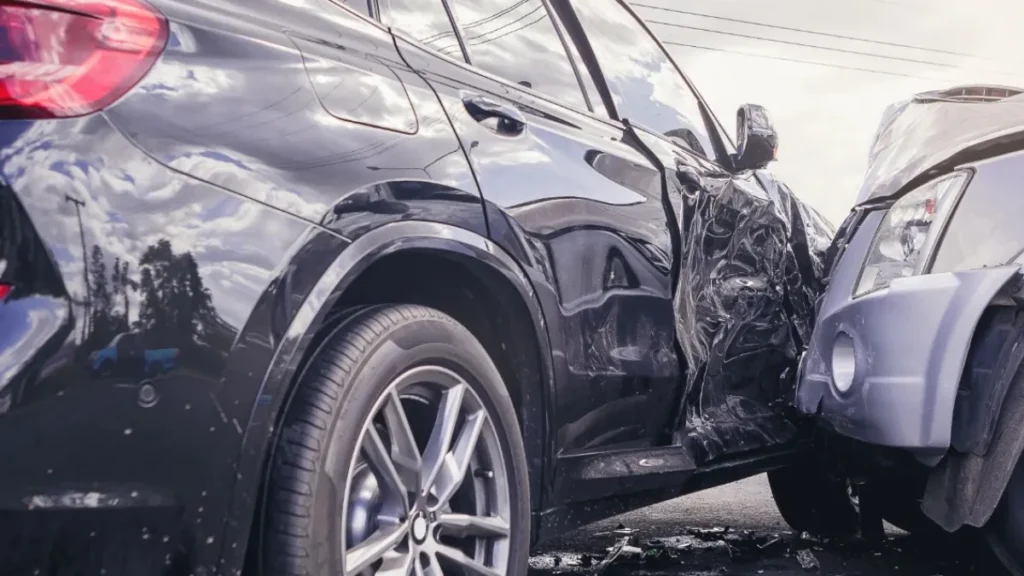
How Fault Is Determined in a Multi-Vehicle Crash
Determining fault in a multi-vehicle accident requires a detailed investigation. Unlike simple rear-end collisions, liability may involve multiple drivers.
Key questions include:
- Who initiated the first collision?
- Were other drivers following too closely?
- Was anyone speeding?
- Did road conditions contribute?
- Did any driver fail to take reasonable evasive action?
In some cases, several drivers may share responsibility.
Florida’s Comparative Negligence Law
Florida follows a comparative negligence system, meaning fault can be divided among multiple drivers.
For example:
- Driver A was texting and caused the first impact
- Driver B was following too closely
- Driver C was speeding
Each driver may be assigned a percentage of fault. Compensation is reduced based on your share of responsibility, if any.
Insurance companies often attempt to increase a victim’s percentage of fault to reduce payouts.
Evidence Used to Prove Liability
At Insurance Dispute Law Group, we gather extensive evidence to establish fault in multi-vehicle crashes.
Evidence may include:
- Police crash reports
- Dashcam footage
- Traffic camera recordings
- Event data recorder (black box) data
- Vehicle damage analysis
- Skid mark measurements
- Witness statements
- Cell phone records
- Accident reconstruction expert testimony
Early legal intervention is critical to preserve this evidence.
Rear-End Chain Reactions: Who Is at Fault?
In many rear-end chain-reaction crashes:
- The first driver who fails to stop safely may be primarily responsible.
- Following drivers may also be liable if they were tailgating or speeding.
Each impact must be analyzed individually. Insurance companies often oversimplify these cases — but detailed reconstruction tells the full story.
Multi-Vehicle Intersection Crashes
At intersections, liability may involve:
- A driver running a red light
- A left-turn driver failing to yield
- Speeding drivers
- Distracted drivers
When multiple vehicles enter an intersection simultaneously, fault analysis becomes complex.
Weather-Related Pileups
Heavy rain, fog, or reduced visibility frequently contribute to multi-car crashes in Central Florida.
Even in bad weather, drivers must:
- Reduce speed
- Increase following distance
- Maintain control of their vehicles
Failing to adjust for conditions can still constitute negligence.
Common Injuries in Multi-Vehicle Accidents
Chain-reaction crashes often cause severe injuries due to multiple impacts.
Common injuries include:
- Traumatic brain injuries
- Spinal cord injuries
- Herniated discs
- Broken bones
- Internal organ damage
- Soft tissue injuries
- Permanent disability
Being struck multiple times can worsen injury severity.
Insurance Challenges in Multi-Vehicle Crashes
Multi-vehicle accidents often involve:
- Multiple insurance companies
- Conflicting statements
- Delays in liability determinations
- Policy limit disputes
- Attempts to shift blame
Insurance companies frequently point fingers at each other while victims wait for compensation.
How Compensation Works in Multi-Vehicle Cases
Victims may pursue compensation from one or more at-fault drivers for:
Economic Damages
- Medical expenses
- Future medical treatment
- Lost wages
- Loss of earning capacity
- Property damage
Non-Economic Damages
- Pain and suffering
- Emotional distress
- PTSD
- Loss of enjoyment of life
- Permanent impairment
When multiple drivers are liable, compensation may be pursued proportionally from each insurer.
Uninsured Drivers in Multi-Vehicle Accidents
If one of the at-fault drivers is uninsured or underinsured, your Uninsured/Underinsured Motorist (UM/UIM) coverage may apply.
This is especially important in complex pileup cases involving multiple policies.
Mistakes to Avoid After a Chain-Reaction Crash
To protect your claim:
- Seek medical care immediately
- Do not speculate about fault at the scene
- Avoid giving recorded statements
- Do not accept early settlement offers
- Contact an attorney as soon as possible
Multi-vehicle accidents require experienced legal guidance.
How Insurance Dispute Law Group Handles Multi-Vehicle Accident Cases
At Insurance Dispute Law Group, we understand the complexity of chain-reaction crashes.
We:
- Conduct thorough liability investigations
- Work with accident reconstruction experts
- Identify all responsible parties
- Review every available insurance policy
- Handle insurer negotiations
- Prepare cases for trial when necessary
Our goal is to untangle liability disputes and maximize your recovery.
What to Do After a Multi-Vehicle Accident in Orlando
If you are involved in a chain-reaction crash:
- Call 911 immediately
- Seek medical treatment
- Photograph the scene if possible
- Collect contact information
- Avoid discussing fault
- Contact a car accident attorney promptly
Early action protects both your health and your legal rights.
Injured in a Multi-Vehicle Accident in Orlando? We’re Ready to Help
Multi-vehicle accidents are complicated — but your recovery shouldn’t be.
At Insurance Dispute Law Group, we fight for Orlando car accident victims and pursue full compensation from every responsible party.
Take the next step today:
Complete the free case evaluation form
Call us now at 407-573-5402
You focus on healing — we’ll handle the insurance battle.
Sources
1. Florida Department of Highway Safety and Motor Vehicles (FLHSMV)
Provides Florida crash data and reporting requirements.
https://www.flhsmv.gov/
2. National Highway Traffic Safety Administration (NHTSA)
Offers research on multi-vehicle crashes and highway safety statistics.
https://www.nhtsa.gov/
3. Insurance Information Institute (III)
Explains auto insurance liability and multi-party claim handling.
https://www.iii.org/